Trip Reports
Deep Stream – Fisherman’s Bend
Monday, October 5th, 2026
4 October 2026
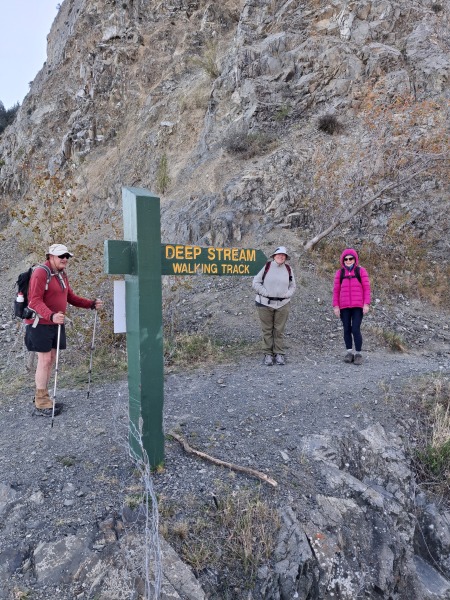
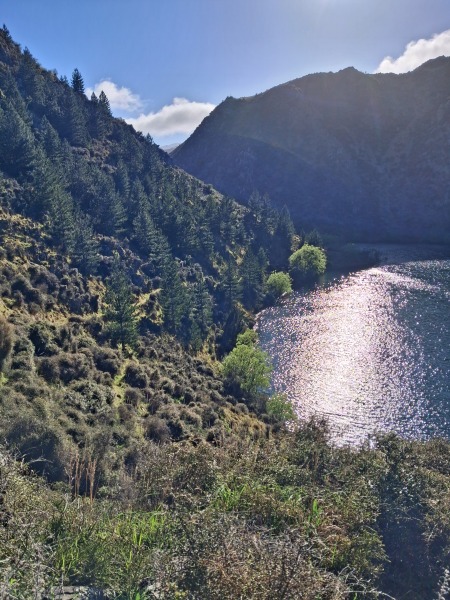
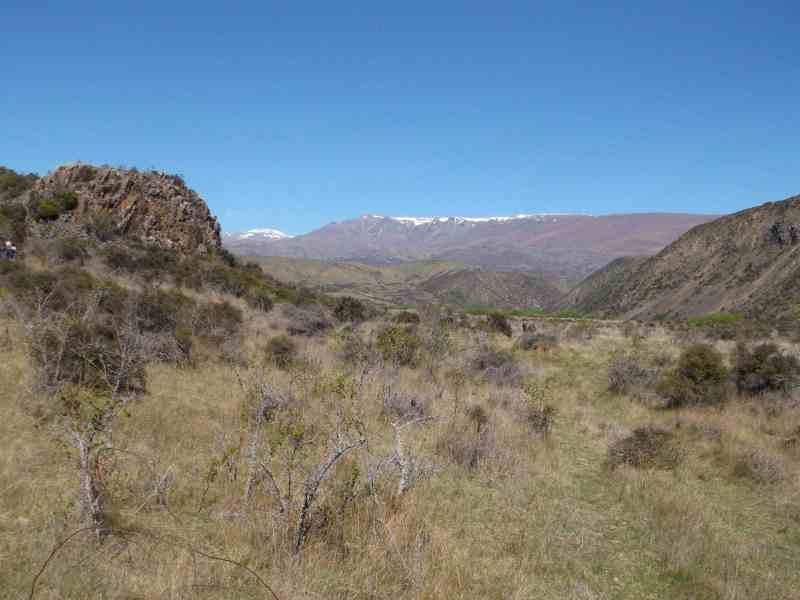
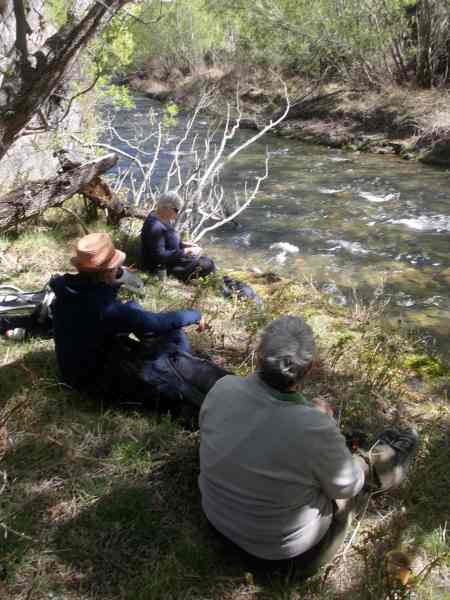
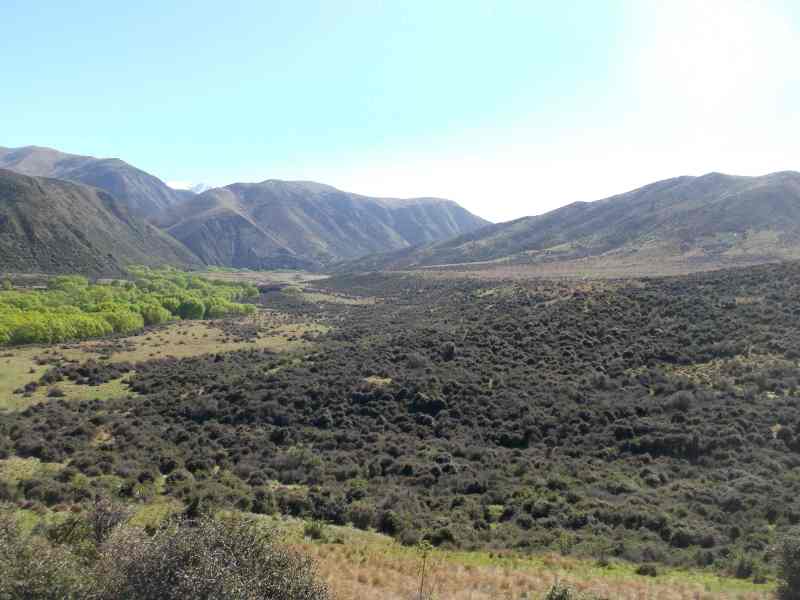
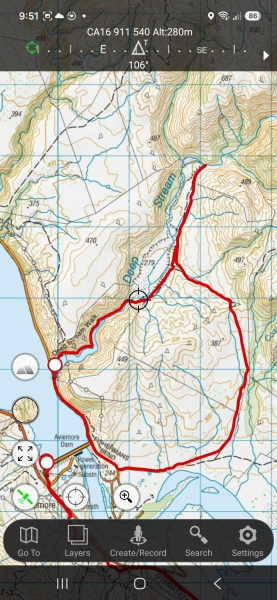
Four of us left Oamaru at 8am and it was good to see The Flying Pig open going through Duntroon. The Deep Stream is situated half a kilometre up the road on the other side of the Aviemore Dam. We started walking at 9am in sunshine though a chilly wind which we were soon out of as we walked up the gorge. Tizzy and John’s hand saws were put to use further up the track where there is a tendency to have windfall. At 2km, we crossed the Deep Stream and with the Landowners permission continued on their farmland. We spent an hour sidling up through Matagouri to try to get above it which we did and then up and down a few hills before reaching a 4WD track. Ideally, and in the past, it is better to stay down and walk along near the true left of the stream for an hour. However, adventures are to be had. At the north end of the short valley, we reached our lunch spot at Deep Stream 3 hours after starting out. The Himalayan honeysuckle is fairly toxic to stock and had died down over winter but at the lunch spot, it was rapidly shooting up spring growth. After a relaxing lunch by the water, at 12.30pm we back tracked along the 4WD track and followed it towards the east, reaching the saddle and gate 1 hour later. This saddle overlooks Fisherman’s Bend. Again, following the 4WD track down and towards the south, we bypassed ruins of a stone house. Through a couple more gates, and 1 hour after leaving the saddle, we reached the entrance to the Fisherman’s Bend camping area. Half an hour later, back at the car with some recycling and looking forward to an ice cream at Kurow after a warm sunny day out.
Thanks for your company, Kathryn, Tizzy and John.
Bess
Trip report for the Herbert Forest Working Bee 20 September 2026
Sunday, September 20th, 2026
There were 10 members for this working bee which has come at the end of nearly 6 months of closure of the Swallows and Podocarp tracks.
Port Blakely had sent a crew in to deal with the slash on the Swallows the previous Friday and they were assisted by Neville Corry on that day. I was very impressed with their effort because the previous day it had been impossible to walk even 20 meters on the track without being overwhelmed by the amount of slash in there. Well done those guys that was a big ask to get it done by this weekend and it got there.
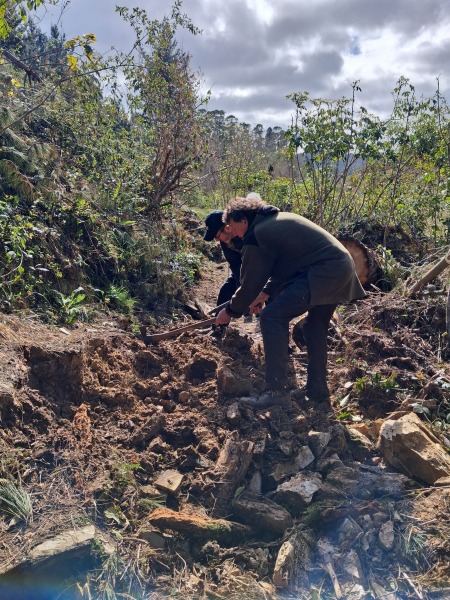
So members initially walked and cleared and track marked the Swallows where needed and it was all done by 10.30. On to the Hoods and it was surprising how good it was. About 3/4 of this track was snipped and cleared . Last week I had surveyed the Podocarp which was also in good order, so I have removed all the closed signage and we can now use all the tracks again.
We had our lunch at various spots on the Hoods and did some earthworks in a couple of spots on the way back out and were calling it job done by about 2pm.
Thanks to Chris, Karyl, Bess, Mike, Jenny, John, Julian, Tizzie and Brent (a potential new club member )
E mihi ana ki a koutou, Robbie
East Awakino
Saturday, September 19th, 2026
Sunday 13 September 2026
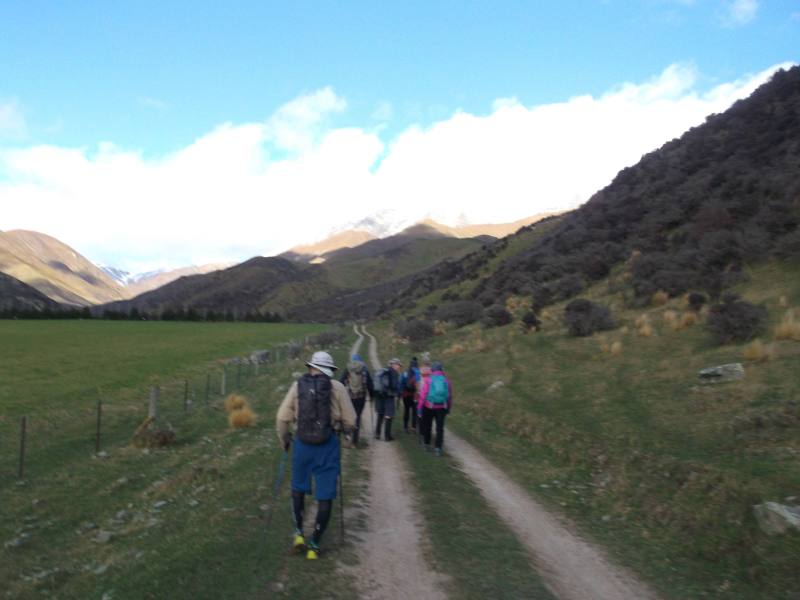
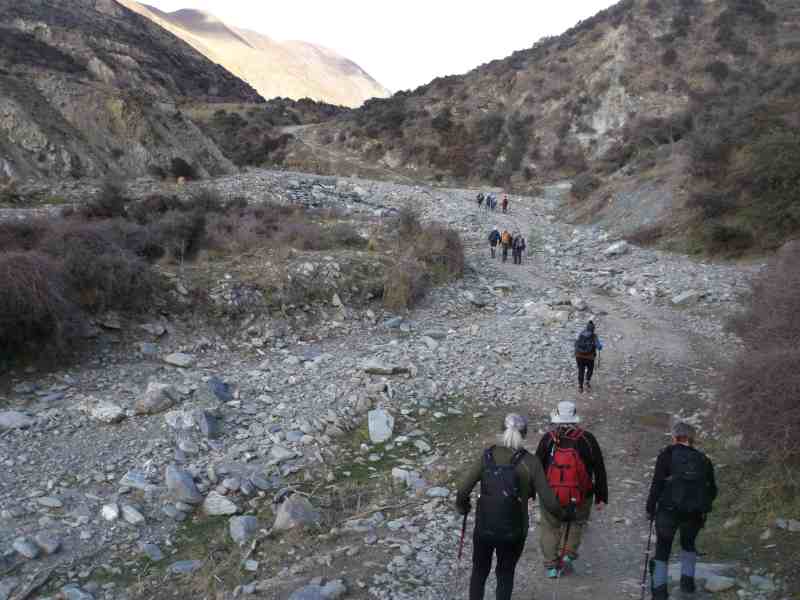
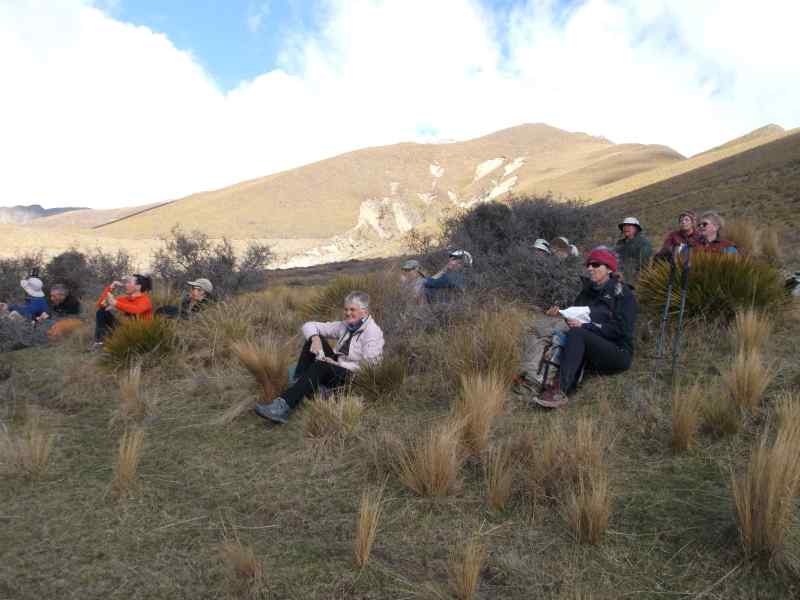
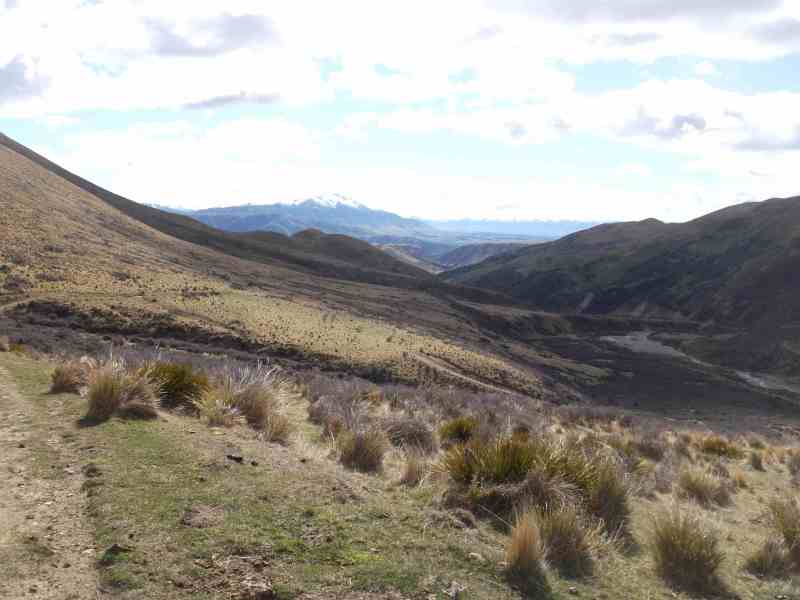
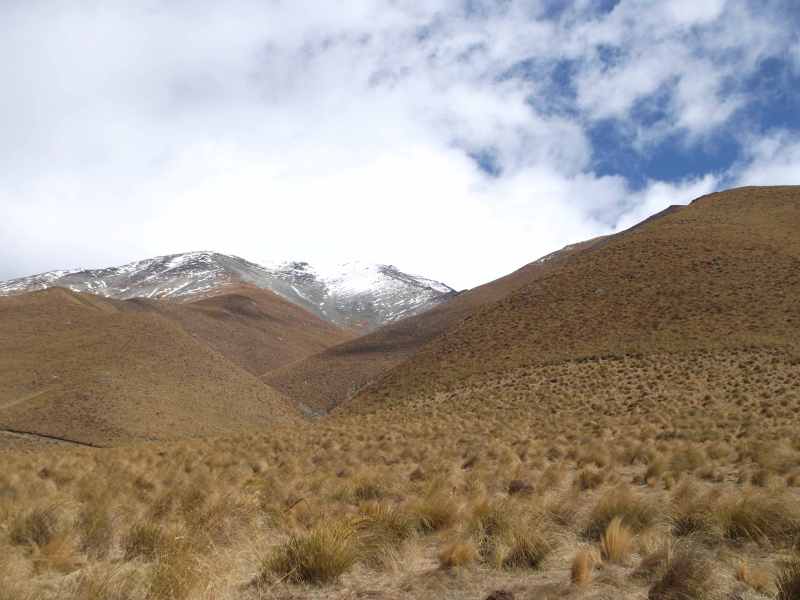
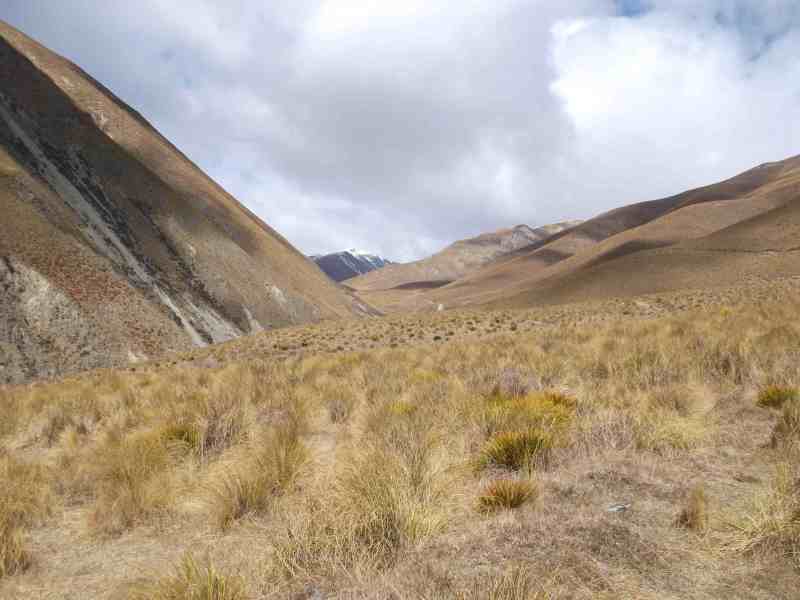
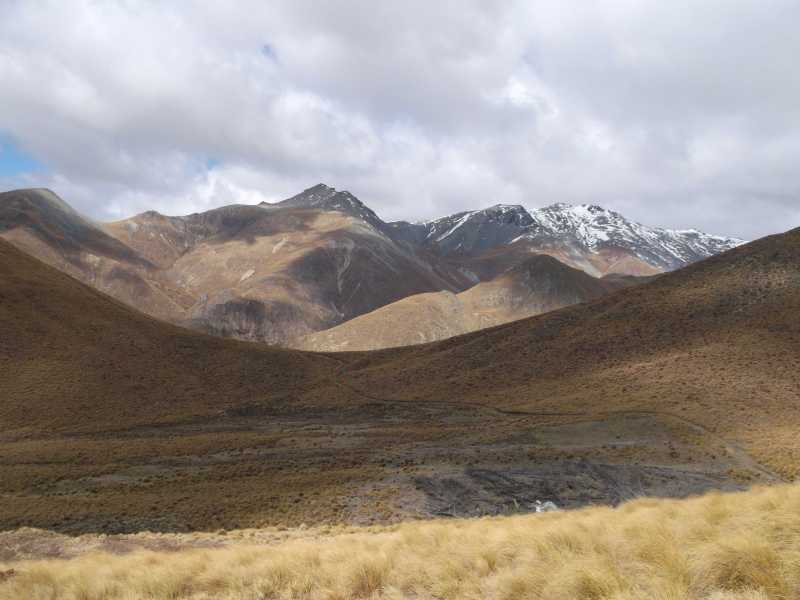
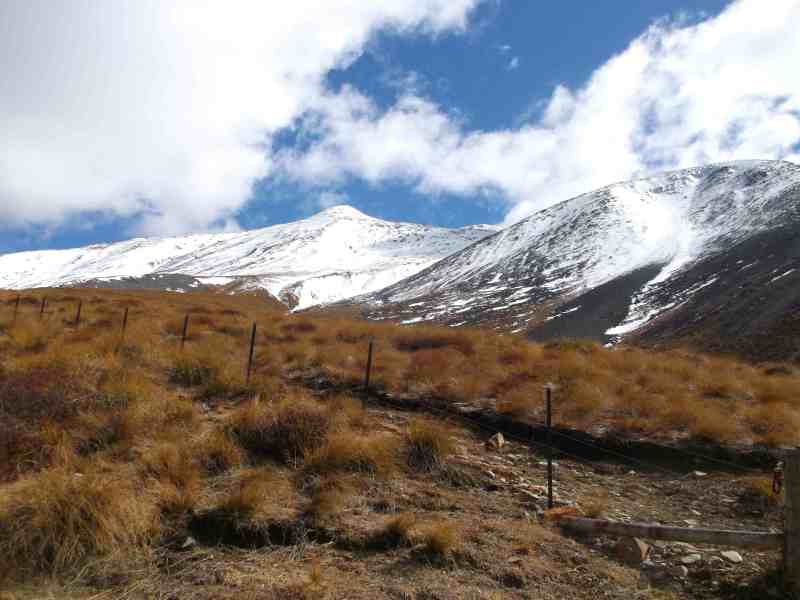
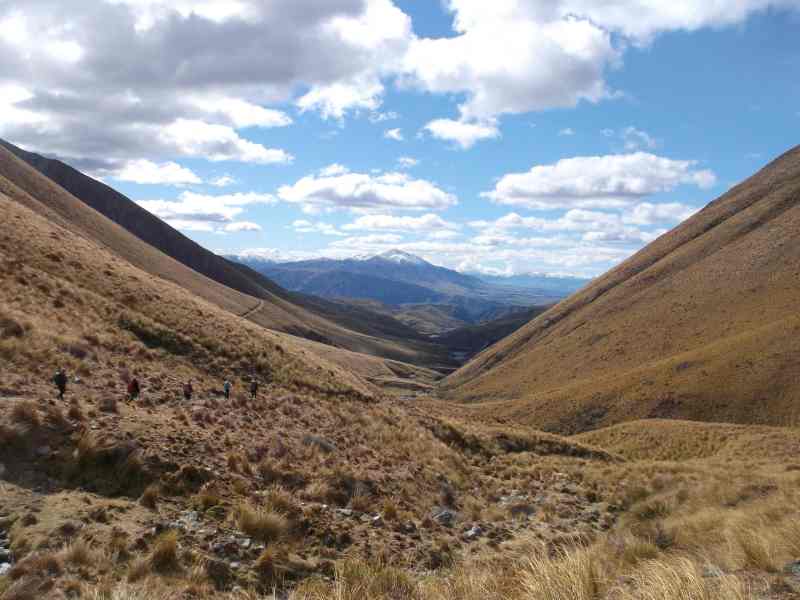
A stream walk up the East Branch of the Awakino River to a musterer’s hut.
The full trip report will be added when it is available.
Trotters Gorge (back up for planned Carey’s Creek walk)
Thursday, September 17th, 2026
Sunday 6 September 2026
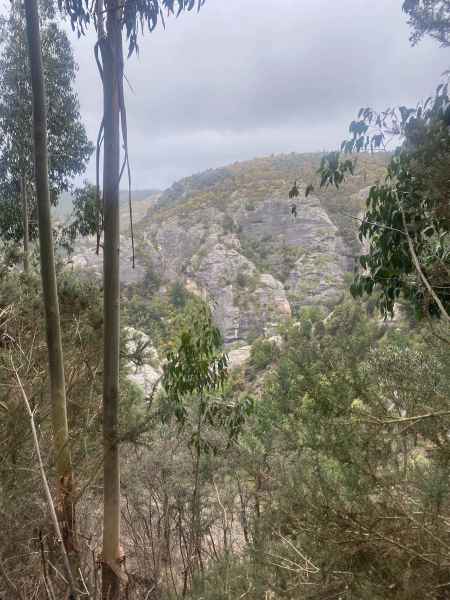
This trip was meant to be to Carey’s Creek near Evandale, down near Dunedin. The weather forecast was looking like a bit of a mixed bag, so we thought we would stay closer to home. Trotters Gorge was picked as our back up plan, so five of us set out in overcast conditions to explore the many tracks we have down there.
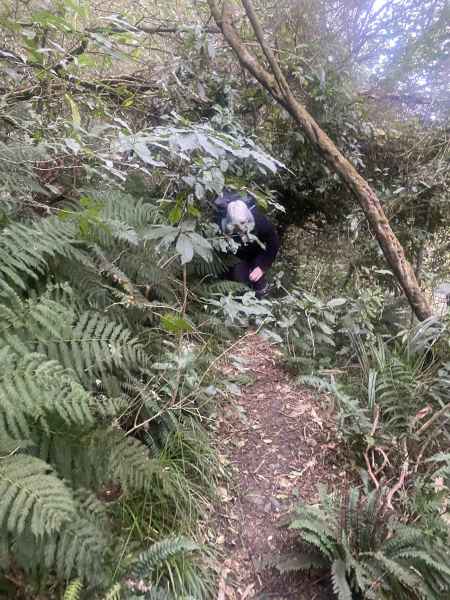
We set off taking the short track along the creek opposite the camping area, but it had been a while since anybody had done anything to this track–it was overgrown and had a bit of wind fall, so it was on hands and knees in some places.
Luckily, we were back on the main track in no time and off up the gorge past the Otago University hut, crossing the creek several times until we came to the Eucalyptus Plantation.
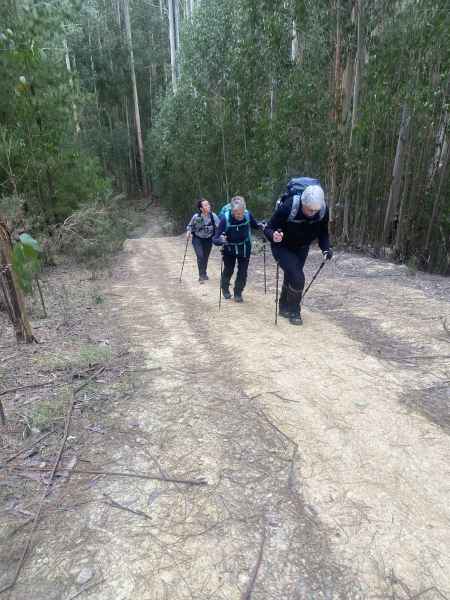
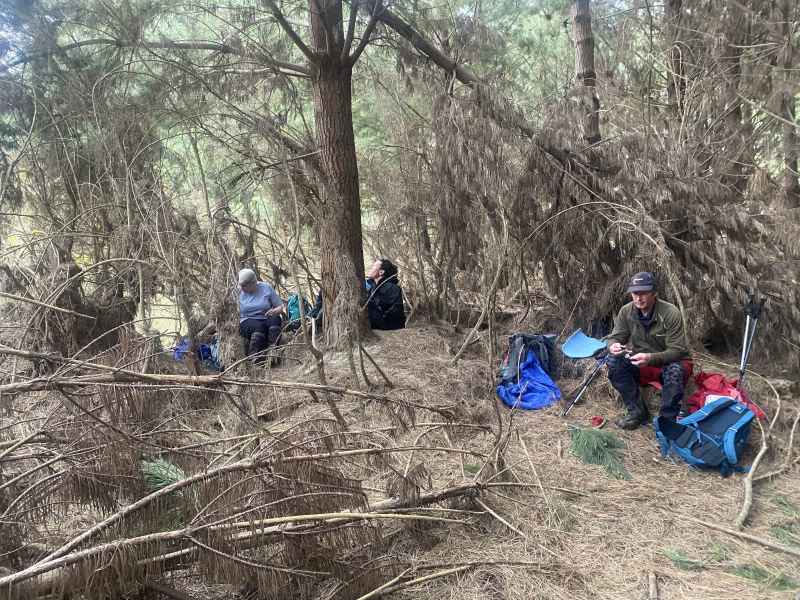
From here I had received permission from the forestry company to take a fire break up out of the gorge to a forestry road. This is where the drizzle started, so a short break was taken under some trees to have a bite to eat and get our rain gear on.
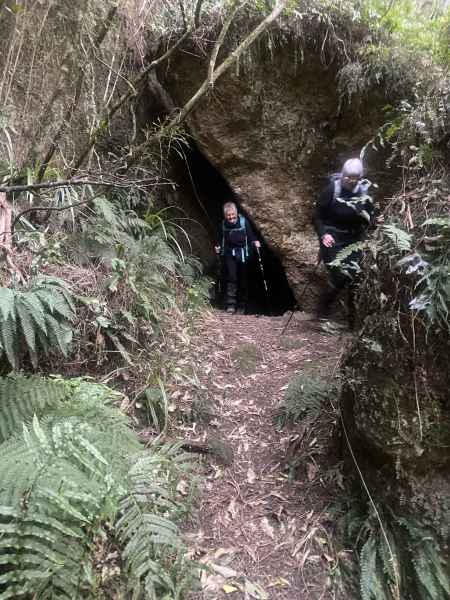
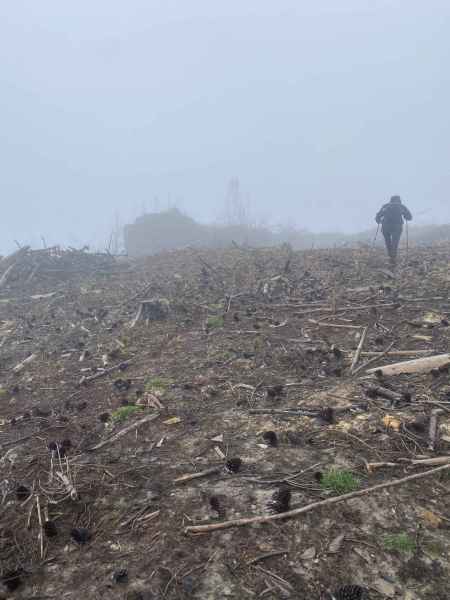
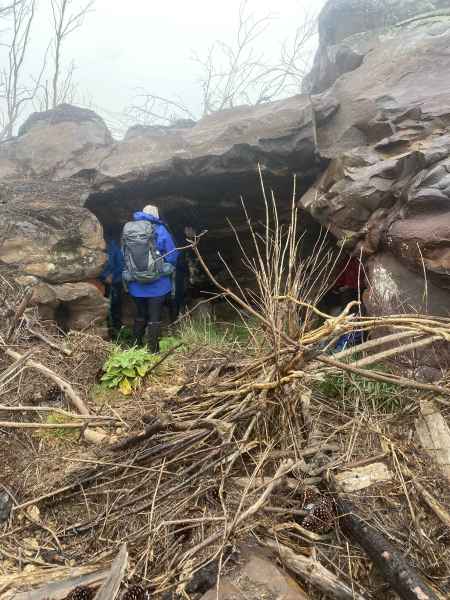
It was then off up the road to South Peak, which was under low cloud. We had thought of going down into Pigeon Bush from here, but with the drizzle turning into light rain the decision was made to carry on over to the North Peak cave for lunch. The cave made for a very pleasant and dry place to have an early lunch.
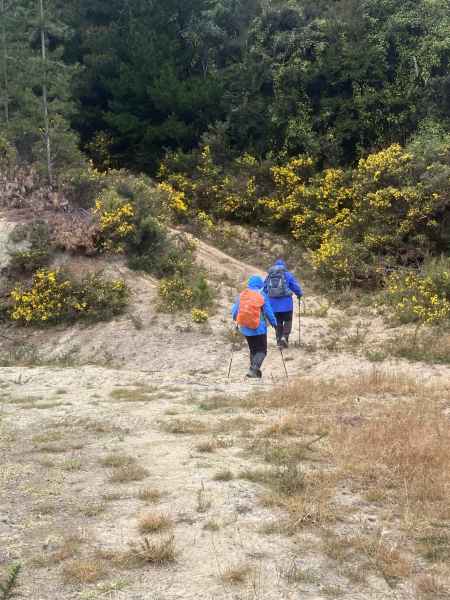
After lunch it was back out in the low cloud and murky conditions, back over to the cloud covered South Peak and down the forestry road for about 3 km until we came to an old fire break. This led us to the start of a track the Club has down there called Dave’s Track, which is a memorial track for a past member that we maintain.
Dave’s Track is about 1 km long and drops down into a wee scrubby bush valley under a cliff face, and finally comes back out near the Eucalyptus Plantation in Trotters Gorge, where we were earlier in the morning. We then returning back down the Trotters Gorge track for a couple of kilometres to the camping site and our car.
Everyone enjoyed theirday out in trying conditions, but good rain gear helps with that. There wasn’t much of a view all day, but having a cave to go to for lunch made it easier.
All up we covered just over 14 kms in just under 5 hours.
Thanks to Rex, Bess, Lorena and our new member Bev for coming along and making a good day out of it, and the Forestry company for letting us use their area.
–Neville
Maitland Stream Track, 1–2 August 2026
Sunday, August 9th, 2026
1–2 August 2026
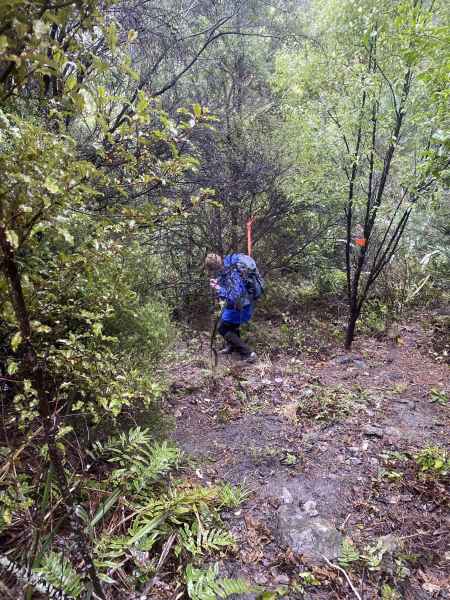
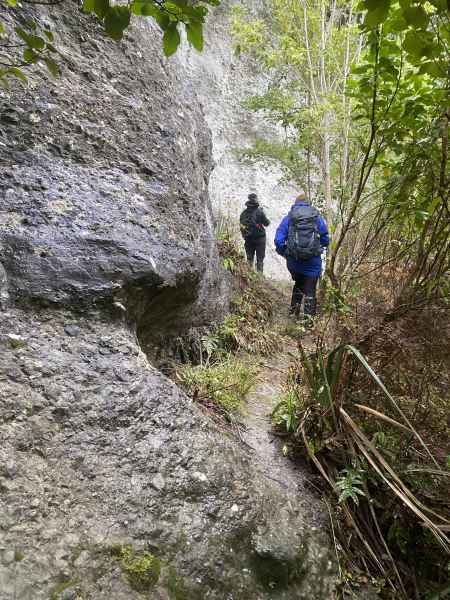
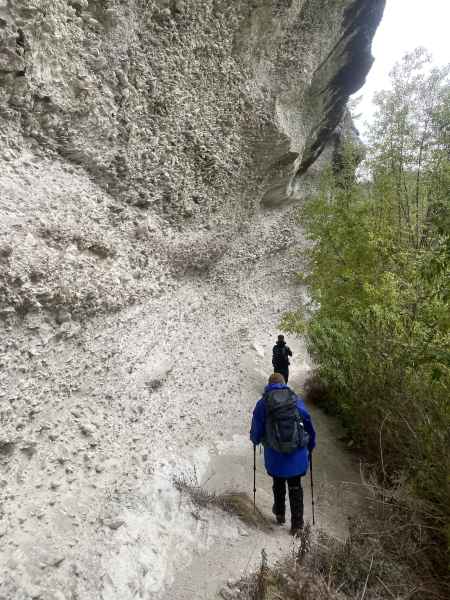
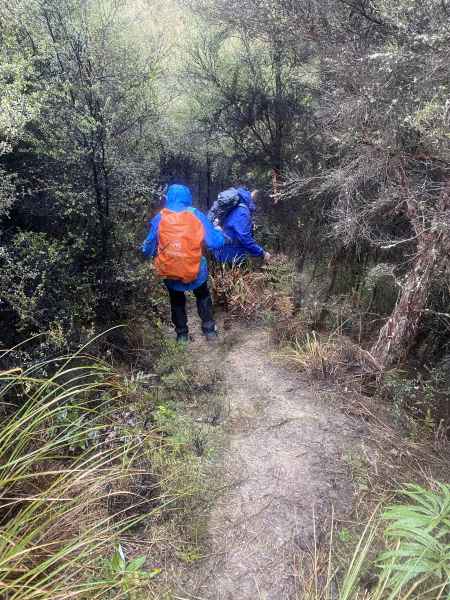
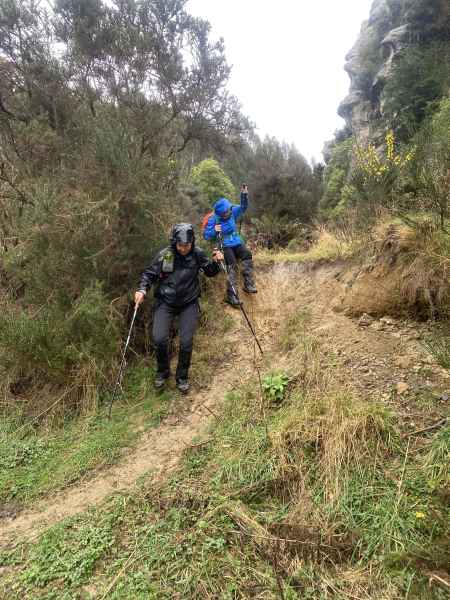
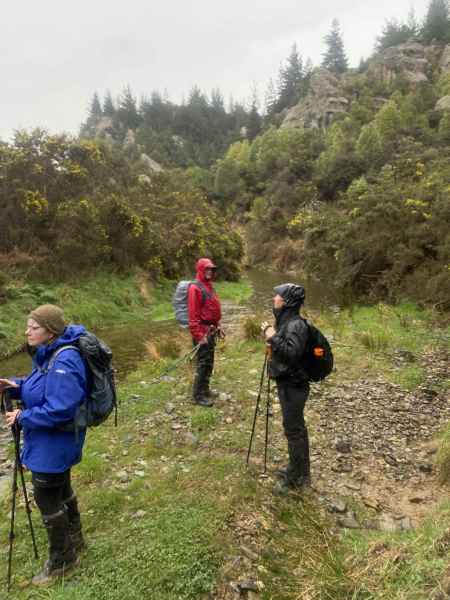
We had been warned by the Lake Ohau Station farmer that the Maitland Stream Track needed maintenance. After a weekend of battling through windfall and sprouting beech saplings, our group of four trampers entirely agreed!
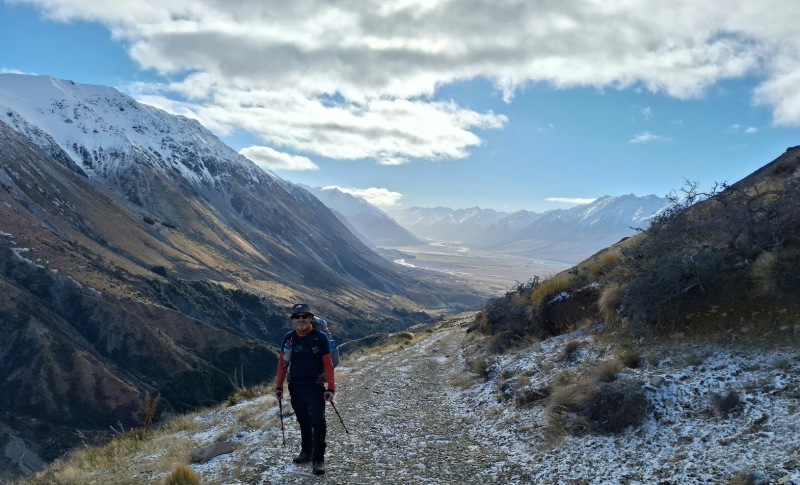
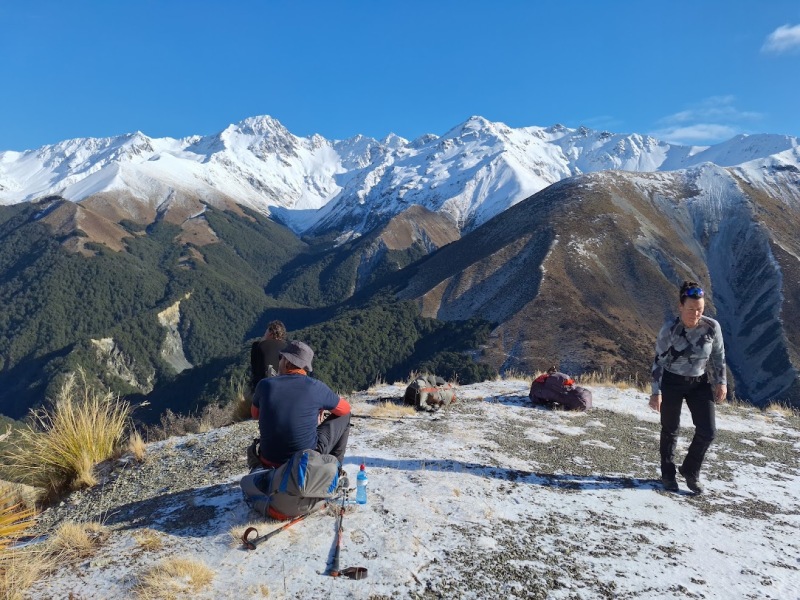
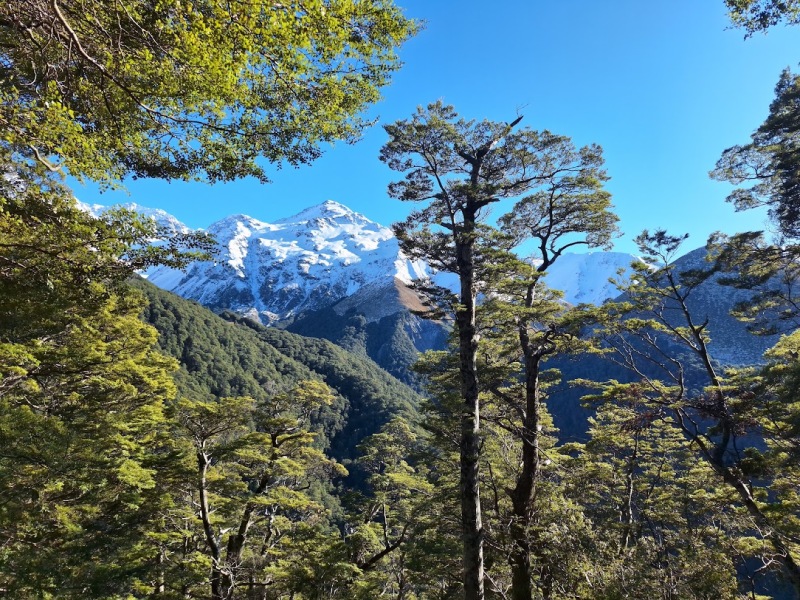
The Maitland Valley is beautiful in August, especially after a fresh coating of snow on the Barrier Range and over the bush. We had a perfect weather window of two sunny days after snow and the valley was gleaming in the bright sunlight. We left Oamaru at 7am, stopped off for sausage rolls and coffee at Omarama, signed in at Lake Ohau Station, parked 200 metres up the road by the locked gate and set off through the farm by 9.45 am. We climbed up the farm road for 4.7km to 1100 metres, stopping for a break at 11 am, taking in the brilliant view of the Barrier Range, before descending steeply over scree slopes and tussock to the bush.
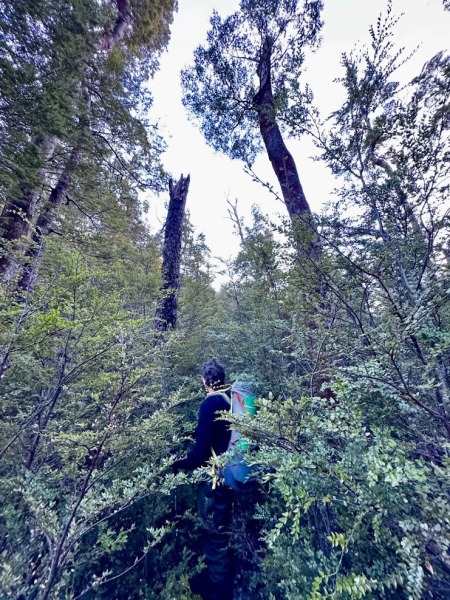
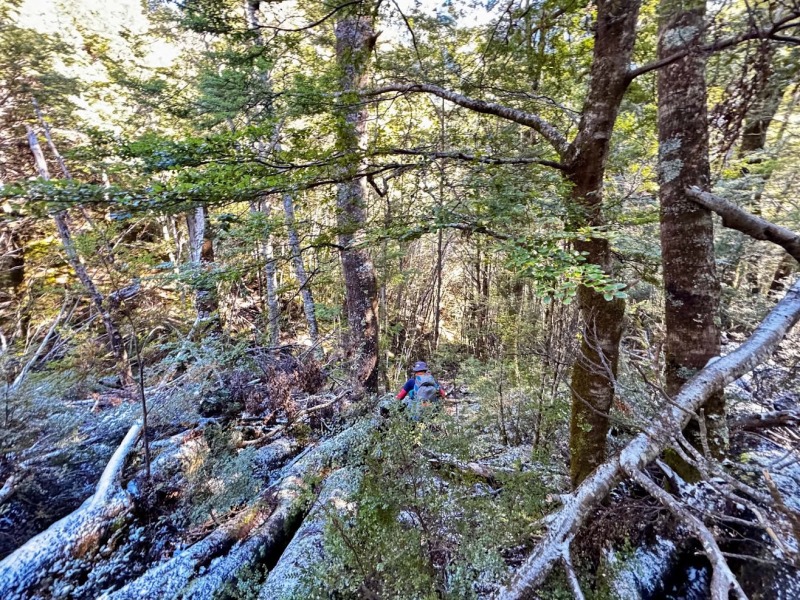
Climbing over or around the windfall was hard work. Sometimes we straddled over the fallen trunks and branches, at other times we followed hunters’ footsteps down the slope and back up again to find the track. At other spots we had to push our way through thickly growing beech saplings right beside the track, hiding it from view. We were always on the lookout for orange markers to check we had found the track again.
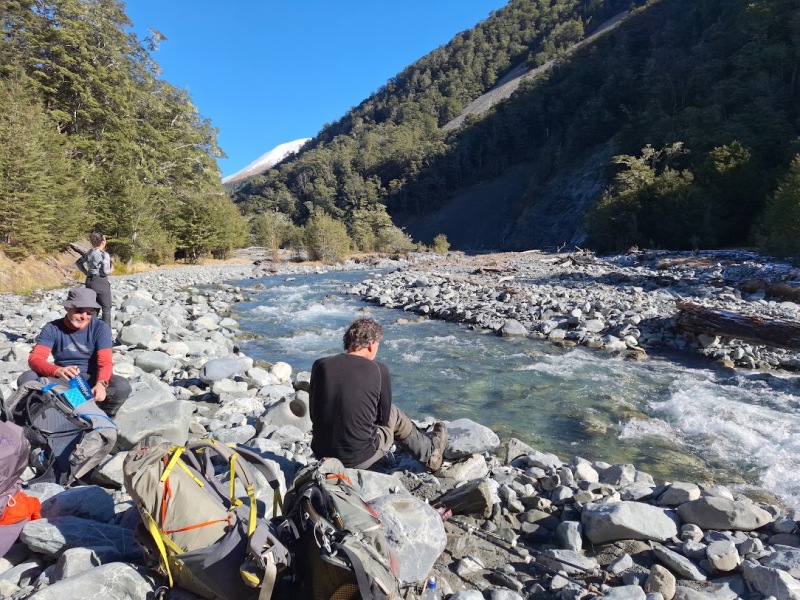
After 1.5 kms dropping down through the bush, we reached the Maitland Stream at 765m. Here there are some welcome camping spots on grassy flats where trampers often stay. From here the track partly follows the river, and partly leads into the bush again, but there are places where the track has been washed out and has disappeared.
The further up the Valley the track goes, the more important it is to stay high. Robbie found the high track, but Julian, Lorenna and Jenny inadvertently found their way back to the stream too early and had two extra stream crossings in cold, fast running water, up to Julian’s thighs. Lorenna was expert in straddling one particularly large log to cross the stream, but Jenny got stuck on it… at least until Julian came to the rescue and retrieved her pack!
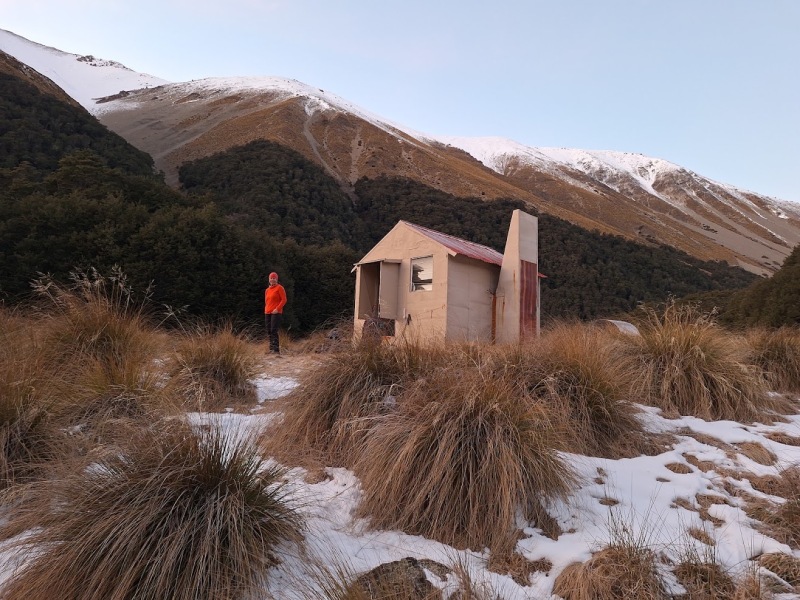
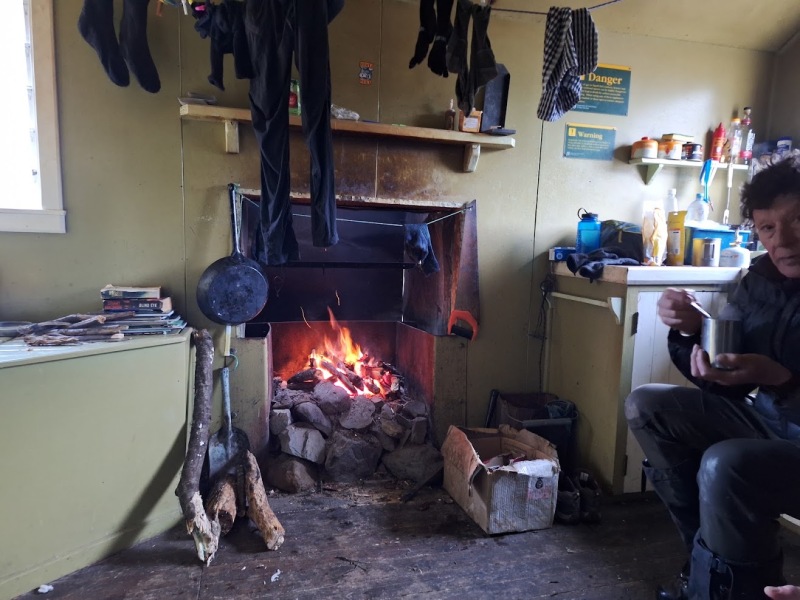
The last twenty minutes on the track, climbing from the stream to Maitland hut, was clear and quite magical with the fresh snow covering moss and beech trees. It had taken Robbie 5.5 hours from the car to the hut, and the group of three took an extra 20 minutes with the stream detour. The hut, a 1968 Forest Service Hut, sits comfortably amongst snow tussock at 955m, and boasts a large fireplace, four bunks and a kitchen bench. Perfect for the night! Although we had all carried tents, Lorenna and Jenny quickly booked a bunk, while Robbie and Julian (dubious about those short bunks) opted for pitching tents in the snow. It didn’t take long to warm the hut up with the fire going (hunters had left dry wood in the hut) and to get the billy boiling.
Returning on Sunday took another 5.5 hours. It is a long walk up the steep 335m climb through the bush and up the steep scree slopes back to the farm track. Leaving at 8am, we were back to the car by 1.30pm. On the way back we did find Robbie’s drink bottle, but not his left croc. It is still somewhere amidst the windfall!
Thanks to Robbie, Julian and Lorenna for their track finding skills, log straddling, ‘Karma’ card playing, and for keeping that fire going, even first thing in the morning! This is a track for experienced trampers who have a good sense for route finding and river crossing skills, not for first time overnight trampers.
–Jenny Kitchin