Club Night, November 2012
The November meeting was attended by 34 members.
The Club is involved in assisting with local educational programmes. The latest session in Herbert Forest with Weston School pupils saw twenty-seven 8-9year olds, 5 Club members and 2 teachers on the Podocarp Track. Sessions on Mountain Safety, for Duke of Edinburgh Awards, have been conducted in local secondary schools.
Trip Reports: Silverpeaks was visited for a good round trip including the Tunnels Track, Rocky Ridge and Pulpit Rock. The Labour Weekend trip went to the top end of Lake Ohau, up to the South Temple and the Maitland doing track maintenance and marking and walking out in quite heavy snow. A group went up Tabletop to a point looking out to Staircase Ridge.
Wednesday Walkers climbed Mt. Studholme and were rewarded with a view to the Port Hills. A walk from Anderson’s Lagoon to the Shag River mouth and back provided a wormseye view of hundreds of Stewart Island shags nesting in rows along the rocky ridges of the limestone cliffs. Tabletop was climbed and a trip to Trotter’s Gorge and Trig L saw 25 admiring a great flowering of celmisias and clematis.
Wilding pines and sweet briar were dealt to in tussock land near Omarama by some Wednesday Walkers in a group organised by DOC.
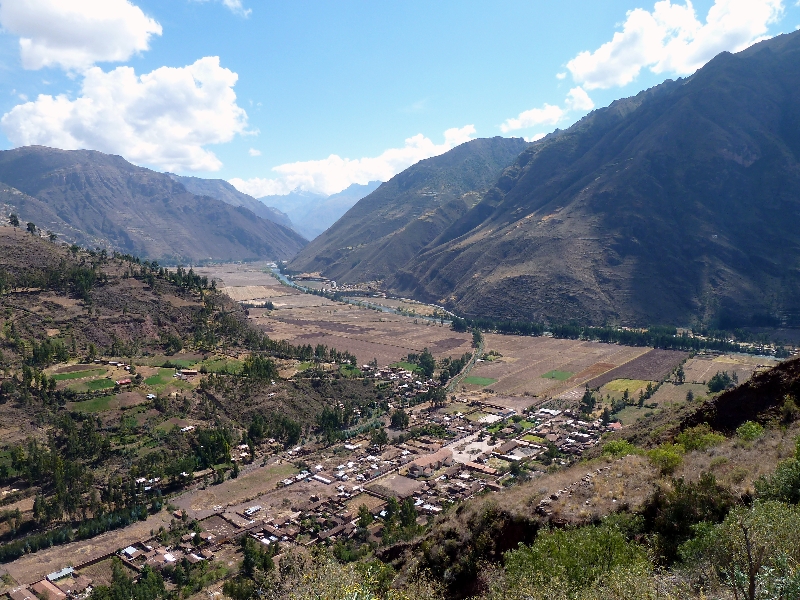
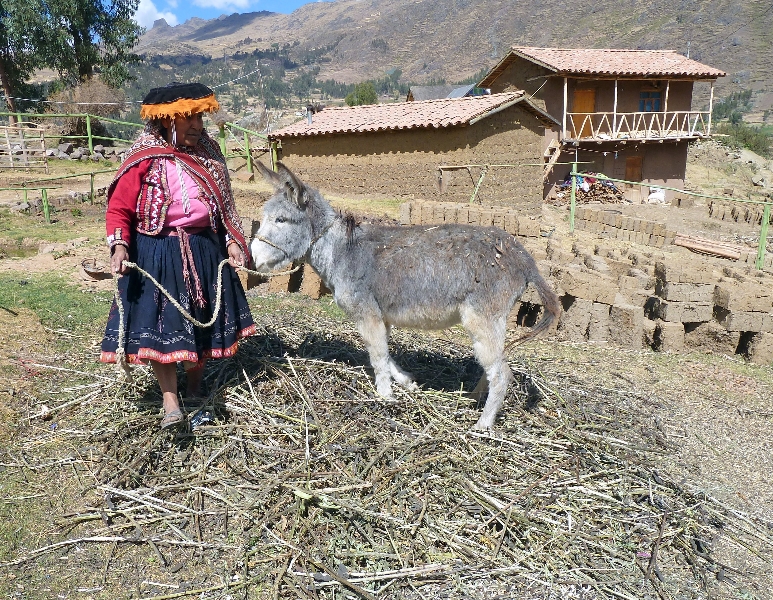
The main feature of the evening was presented by Ross Milmine – an interesting talk with wonderful photography of a trip taken by him and his wife to Bolivia and Peru. It was challenging, with long flights, 4-5a.m. starts to see sunrises, cold weather, and much travel at high altitude, between 3,000-5,000m. (Mt. Cook is 3,746m.)
The first part of the journeying was to the Urumbaba River, a tributary of the Amazon. It involved river travel, staying in jungle lodge, mosquitoes, jungle views and varied wildlife- capybara, monkeys, macaws, tarantulas and Piranha.
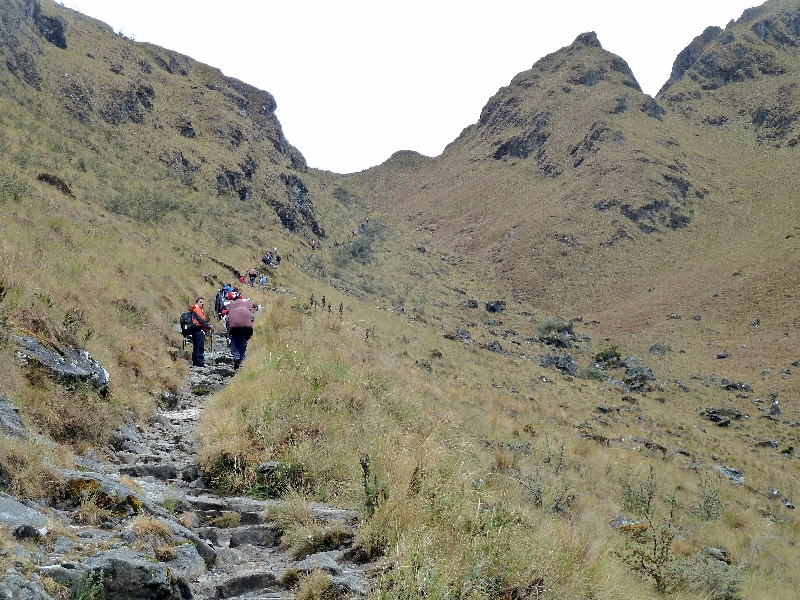
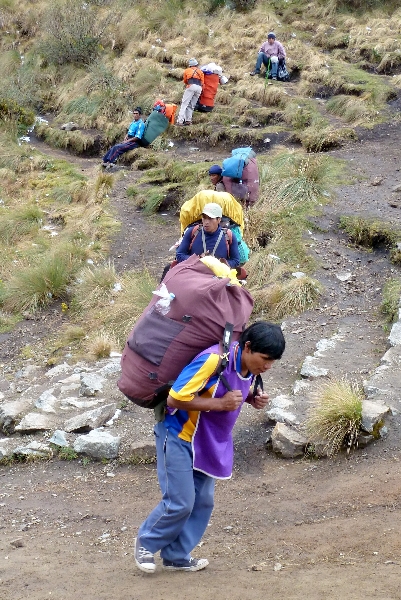
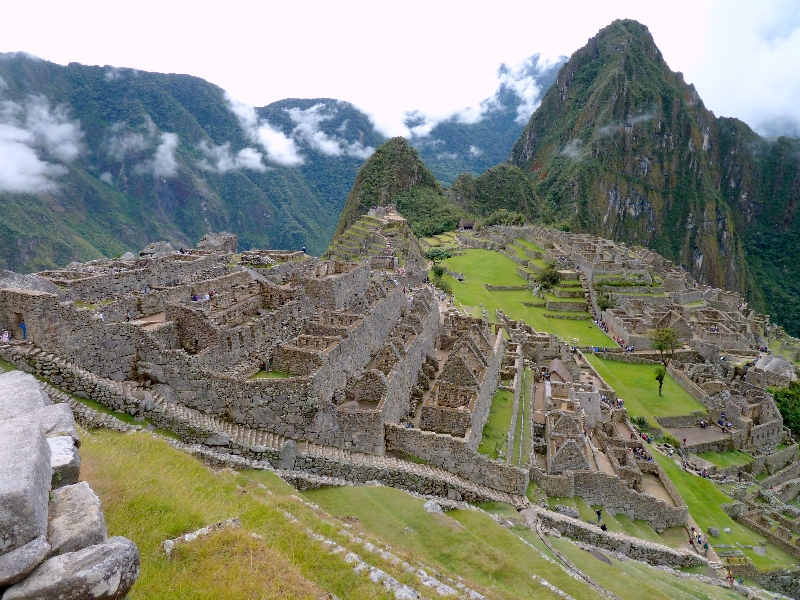
The Inca trail up to Machu Picchu took the group of 16 up and down pathways and stone steps and over passes (Dead Woman’s Pass is 4,200m), camping at night with 17 local farmers acting as porters. The oldest man to walk the Inca Trail in modern times was an 82 year old New Zealander! We saw steep hillsides terraced by the Incas and potatoes and beans are still grown at high altitudes. Harvest is a time of colourful celebration. Condors with a wingspan of 2 metres were a sight to behold as was Manchu Picchu on its high, steep and isolated site, with green grass and the ruins of ingeniously constructed buildings and water systems.
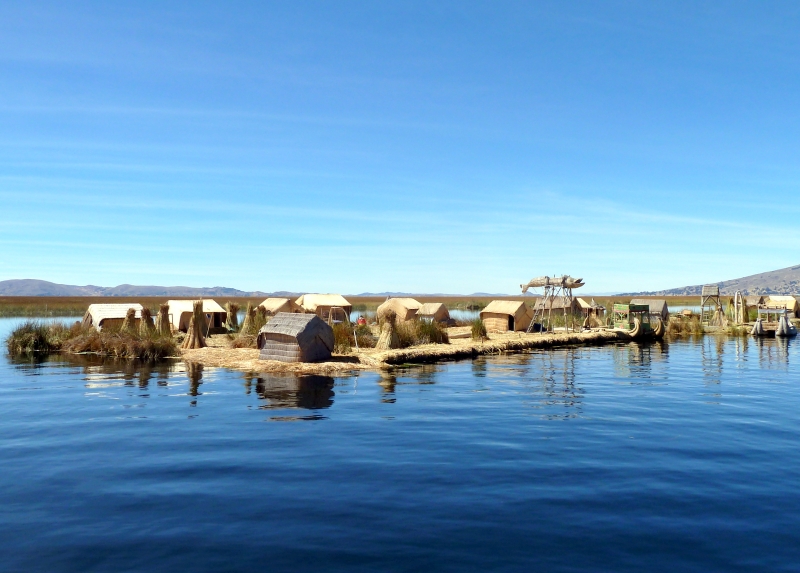
After travel to Cusco, the group went down to Puno and Lake Titicaca, the biggest lake in South America at 400km. long and 50 -100km. wide, the highest in the world. They saw reed boats and visited the reed islands lived on and owned by communities with livestock and solar-powered TV.
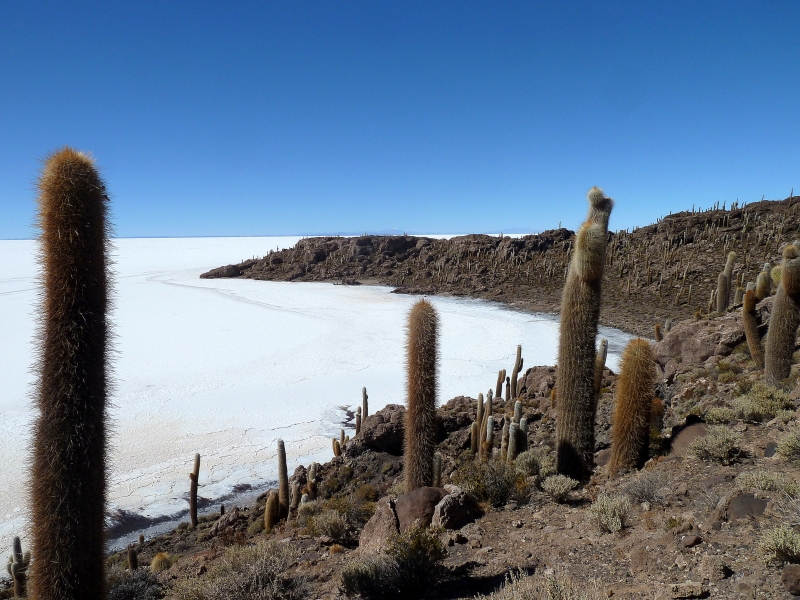
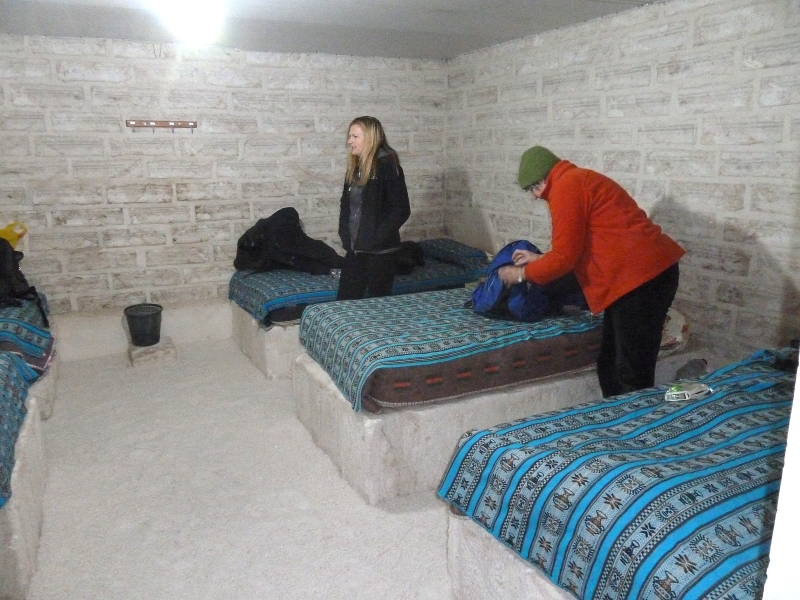
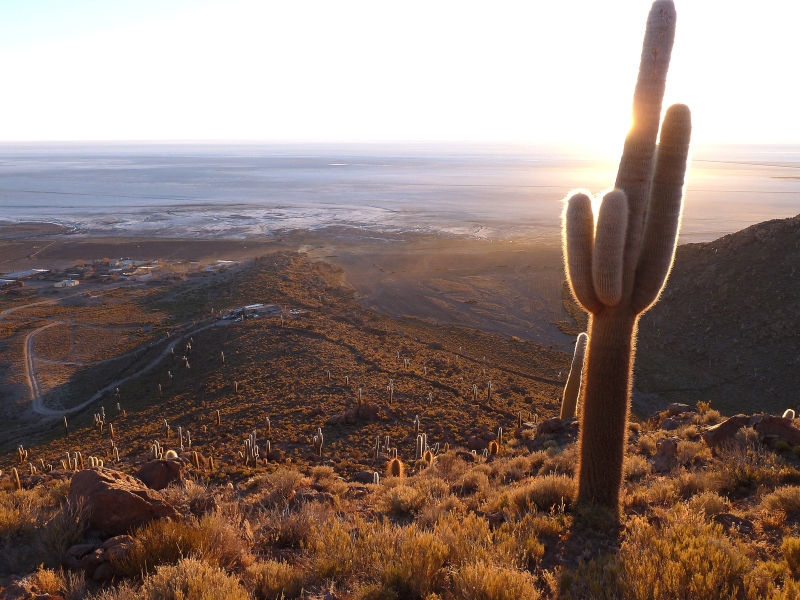
La Paz, close by in Bolivia, has a population of 2 million. From there they visited the silver mine of Potasi with 15,000 miners now producing zinc, lead and tin, and Sucre where still visible dinosaur footprints were found. The great Salt Flats of Salar de Uyuni glistened and they drove across them to an island with 2000-year old cacti. A stay in a hotel constructed of salt blocks with salt furniture was novel, and salt-edged lakes had many flamingos.
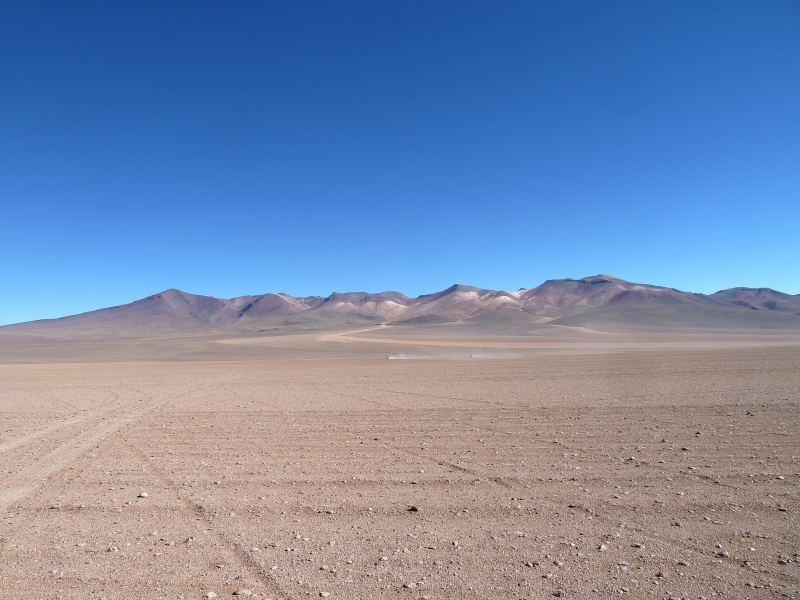
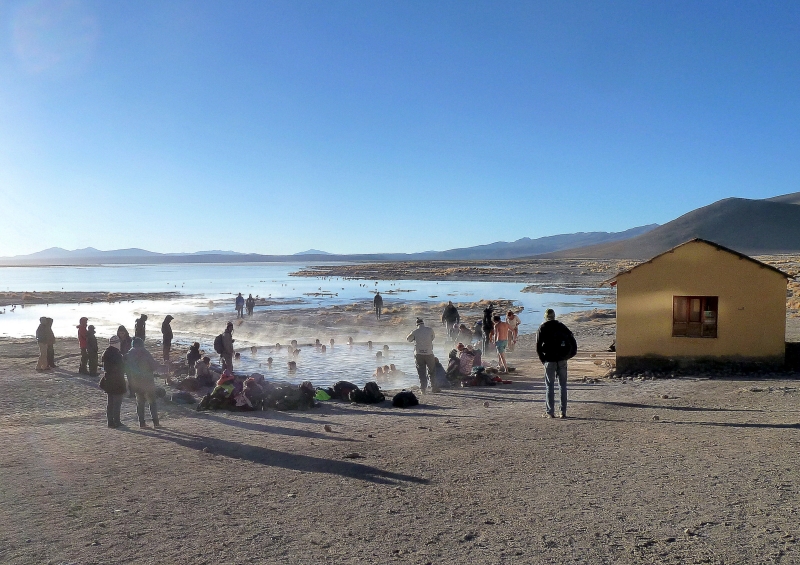
The tour ended by going up to the High Altiplano volcanic area with minus 5 degree temperature but compensatory hot pools. From the Chilean border they could see Argentina.
In spite of challenges, the excellent photography showed a great diversity of relics and ruins, stunning natural scenery and wildlife which, along with colourful and friendly people, made it a trip to remember and gave us much to enjoy.